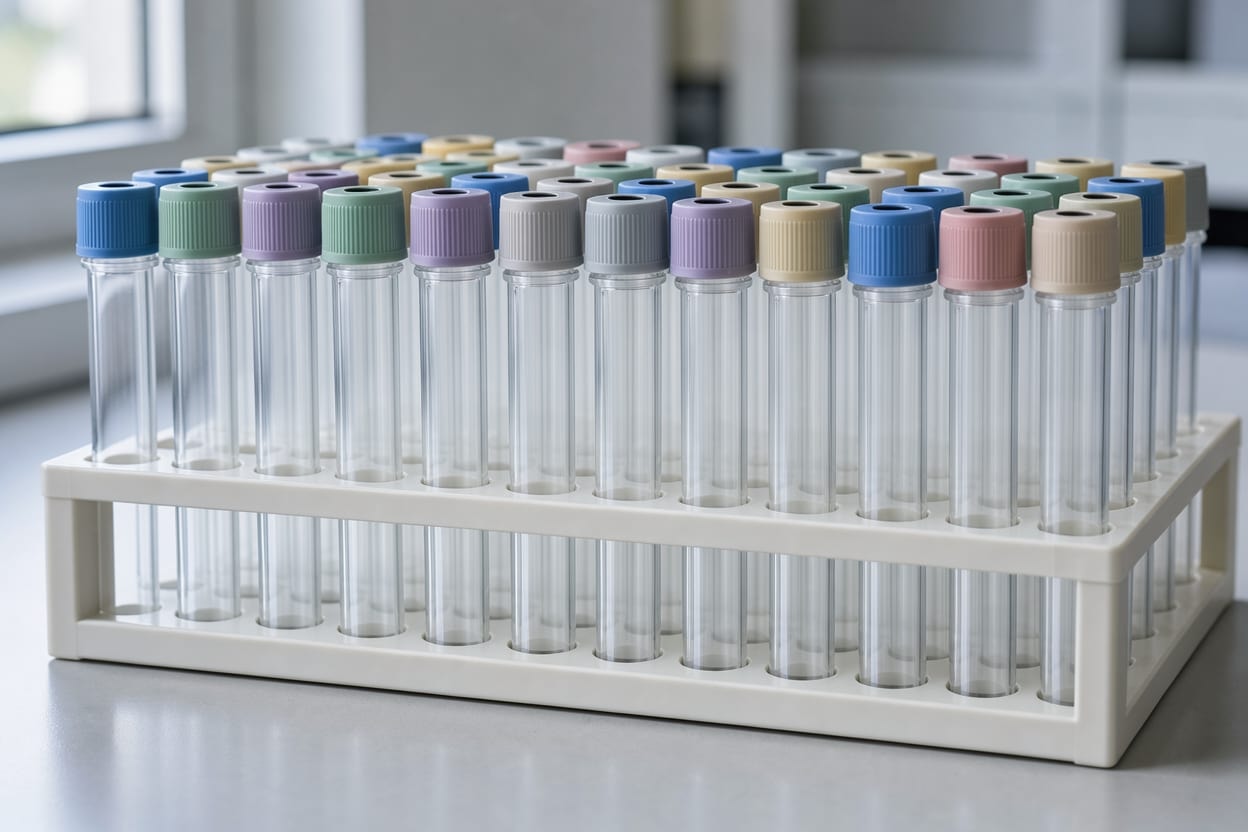
A medical laboratory examines specimens to produce information used in health care. Its material includes blood, urine, other body fluids and tissue. The medical laboratory reference distinguishes this applied work from research focused on basic scientific questions. Testing is part of a longer process: a request has to become a correctly identified specimen, a technically sound examination and a report that reaches the intended destination.
Clinical and anatomic pathology
Clinical pathology uses laboratory examination of body fluids and related material, drawing on chemistry, microbiology, hematology and other disciplines. The clinical pathology reference describes the specialty and its collaboration with laboratory scientists and referring physicians. Anatomic pathology focuses on the examination of cells and tissues. These divisions overlap in methods and purpose, rather than describing entirely separate worlds.
The pathology reference explains pathology as the study of disease, including changes in cells and tissues. Within a laboratory, the subject of a test helps determine where it goes. Blood cell examination belongs to hematology; analysis of chemicals in serum or plasma belongs to clinical chemistry. The clinical departments guide describes the different benches in more detail.
A request and a collected specimen
The process starts with a request for a particular examination. The specimen workflow account describes samples arriving with a request recorded on paper or electronically. The request and the specimen have to remain associated: staff and instruments need to know which examinations are pending and where the results belong. A tube by itself does not tell a laboratory what information is needed.
Blood collection is a familiar example. MedlinePlus’s blood-testing overview explains that collecting blood from a vein is called venipuncture. Other types of specimen require other collection methods. The phlebotomy reference describes responsibilities that include using the appropriate tubes, labeling them and delivering specimens to a laboratory. These are professional tasks, not instructions for readers to perform a collection.
Identity checks connect collection to analysis. O*NET’s specimen-collection tasks include matching specimen tubes to laboratory requests, while the same profile describes confirming identity. The label is not merely a convenient name for storage: it helps connect the material being tested with the requested examination and its record. The venipuncture reference notes that errors during collection or tube filling can produce erroneous laboratory results.
Arrival, labeling and transport records
On arrival, the laboratory records the specimen and its associated request. The laboratory specimen-processing description describes assigning a laboratory number and labeling the container so that instruments can associate it with requested tests. This step makes the specimen recognizable within a laboratory workflow even when it moves between benches or is divided for different examinations.
Tracking continues as the sample moves. The laboratory information systems reference describes systems that follow sample location and custody, alongside associated information. In plain language, the record needs to follow the material. The laboratory’s work includes both the physical handling of a specimen and maintaining the information that allows the handling to be understood afterward.
Labels can also connect a specimen with an instrument’s work queue. The medical laboratory labeling account describes a barcode that an automated analyzer can scan, allowing the requested tests to reach the instrument from the information system. Labeling therefore supports the transfer of test instructions as well as identification of the physical container.
Processing before measurement
Some examinations use whole blood; others use its liquid portion. The sample-preparation description explains that chemistry specimens are commonly centrifuged before serum or plasma is examined. A centrifuge spins containers so that components separate according to their physical properties. The centrifuge reference describes denser particles settling toward the bottom of a sample tube.
Plasma is the liquid portion separated from blood whose clotting has been prevented; it contains dissolved substances and clotting factors. The plasma reference describes this separation using an anticoagulant and centrifugation. Serum is obtained after blood has clotted and the clot and cells have been removed. The serum reference describes that distinction. These names identify different specimen materials, not different levels of test quality.
A laboratory may divide a specimen into separate tubes when it is needed on different analyzers, according to the specimen division and analysis account. The same description notes that an automated analyzer can process only part of a sample. Preparation can therefore create parallel testing steps, each still associated with the specimen’s laboratory record and requested examinations.
Analysis by a method suited to the question
Laboratory analysis may involve a microscope, chemical reactions, culture methods or automated instruments. The automated analyzer reference describes instruments that measure substances or other characteristics in biological samples with limited manual assistance. Tubes may be loaded in racks, and different analytical methods are used for different substances. Automation handles parts of the measurement process; it does not make every examination interchangeable.
Staff prepare, maintain and check the equipment as well as using it. O*NET’s technologist tasks include operating, calibrating and maintaining instruments and monitoring quality assurance. Those responsibilities help explain why laboratory training covers chemistry, biology, computers and judgment alongside practical technique. The blood-test methods guide gives examples of the measurements that follow preparation.
Review and reporting
Before a result leaves the laboratory, qualified staff assess the finding and its technical context. The automation discussion explicitly states that automation does not remove the need for professional evaluation. O*NET likewise lists checking the accuracy of laboratory findings among technologist tasks. Reviewing a result is a responsibility in its own right; it is not simply waiting for an instrument to finish.
Reports and requests are connected through a laboratory information system. The laboratory informatics description describes results reaching care providers electronically or as printed records. The system brings together patient identifiers, specimen information, requested examinations and findings. Reporting finishes the laboratory’s immediate workflow while making the information available for clinical use.
Why the surrounding steps matter
A 2006 paper on laboratory errors reported that mistakes were more frequent before and after analysis than during the measurement itself. It also described communication and process problems that can extend beyond the laboratory’s direct control. That is evidence for looking at the entire testing process, rather than treating an accurate instrument as the only requirement for a sound result.
The paper’s discussion of laboratory information also reported evidence that findings were only partly used. Its account treats communication and actions after testing as part of laboratory quality. A result becoming available and that information being used in care are connected stages, with different responsibilities and possible sources of error.
A 2023 review of the pre-analytical phase described a broader view of the work before analysis, including test selection. Its focus was improvement of the whole process. The quality and safety guide explains the laboratory systems that support this work, alongside regulation and protection of staff.